Understanding the psychological effects of gambling Unraveling the mind's complexities
The Allure of Gambling: Why People Are Drawn In
The psychological allure of gambling often stems from a combination of excitement and the potential for reward. The thrill of the game can trigger feelings of exhilaration, evoking a rush similar to that experienced during extreme sports or other risky endeavors. This adrenaline release can create a cycle where individuals seek out gambling experiences repeatedly, as the brain craves that emotional high, leading to a compelling draw that is hard to resist. By exploring all betting sites, users can better understand the platforms that enhance their betting journey.

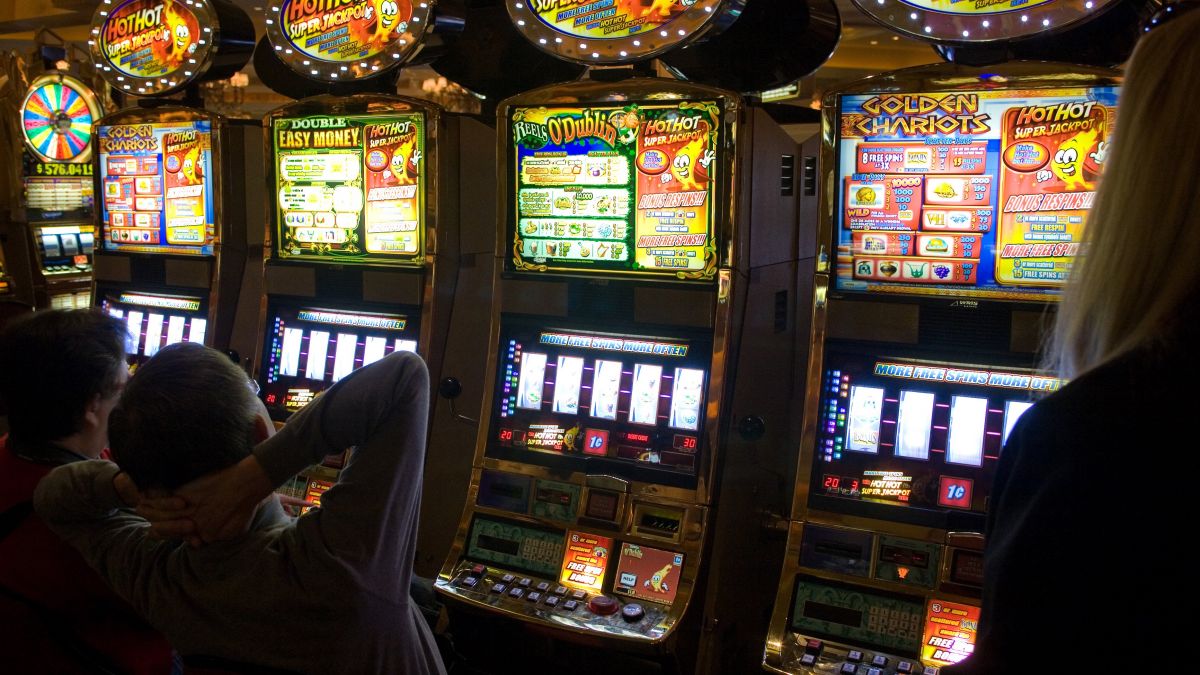
Additionally, the environment in which gambling occurs can amplify its appeal. Bright lights, sounds of winning, and the social atmosphere of casinos can create an engaging experience that heightens emotional states. These elements work in unison to reinforce the desire to gamble, making it not only about the money but also about the experience itself. This social aspect can lead individuals to perceive gambling as a communal activity, further enticing them to participate.
Understanding the psychological effects of gambling also involves recognizing the cognitive biases that influence decision-making. Gamblers often fall prey to the illusion of control, believing that they can influence outcomes based on their skills or strategies, even in games of pure chance. This belief can perpetuate gambling behavior, as players feel empowered by their perceived abilities, often leading to excessive risk-taking and potential financial loss.
The Psychological Impact of Wins and Losses
Gambling outcomes can profoundly affect an individual’s mental state. Winning can lead to feelings of euphoria, enhancing self-esteem and even fostering a sense of invincibility. This state is often referred to as the ‘winner’s high,’ where individuals feel on top of the world and may become overconfident in their future betting endeavors. This can be particularly dangerous, as it may lead to a cycle of increased gambling and risk-taking.
Conversely, losses can have a detrimental impact on mental health, leading to feelings of shame, guilt, and frustration. The emotional aftermath of losing can create a desperate desire to recoup losses, often resulting in further gambling. This cycle, known as the ‘gambler’s fallacy,’ can trap individuals in a detrimental loop of behavior, where they continue to gamble in the hope of winning back what they’ve lost, often leading to increased losses.
The emotional rollercoaster associated with gambling can also contribute to anxiety and stress. The highs of winning can be fleeting, while the lows of losing can linger, affecting personal relationships and overall well-being. Understanding these psychological impacts is essential for anyone engaged in gambling, as it can help in recognizing when gambling is becoming a negative force in their lives.
The Role of Cognitive Dissonance in Gambling
Cognitive dissonance refers to the mental discomfort experienced when holding two or more contradictory beliefs or values. In the context of gambling, this might manifest when individuals continue to gamble despite knowing the risks involved or having experienced significant losses. This internal conflict can lead to justifications for continued gambling, such as believing that a big win is just around the corner.
This phenomenon can further entrench gambling behavior, as individuals may rationalize their losses or downplay the severity of their addiction. For example, a gambler might convince themselves that they are not addicted because they only gamble occasionally or that their winnings justify the losses. This form of self-deception complicates the ability to recognize when gambling has become harmful.
Moreover, cognitive dissonance can hinder recovery from gambling addiction. Individuals may struggle to seek help or change their behavior due to the conflicting beliefs they hold. Recognizing and addressing this dissonance is critical for breaking free from gambling cycles, as it encourages individuals to confront the reality of their situation and seek healthier alternatives.
The Social and Environmental Influences on Gambling Behavior
The environment plays a significant role in shaping gambling behavior. Social settings, such as casinos or betting shops, are designed to be enticing, filled with visual and auditory stimuli that enhance the gambling experience. These environments can create a sense of urgency and excitement, reinforcing the desire to gamble. Furthermore, peer pressure can heavily influence an individual’s decision to gamble, as friends or family may encourage participation in gambling activities.
Cultural factors also come into play, as some societies celebrate gambling as a form of entertainment, which can normalize and encourage such behavior. In cultures where gambling is widely accepted, individuals may feel less guilty about engaging in gambling, further perpetuating the cycle. Understanding these social influences is crucial for developing strategies to mitigate harmful gambling practices.
Additionally, the impact of technology cannot be overlooked. The rise of online gambling platforms has made it easier for individuals to engage in gambling behaviors from the comfort of their homes. This accessibility can lead to increased frequency of gambling, often with less social accountability. Recognizing the influence of the environment is essential for individuals to make informed choices about their gambling habits.
Resources and Support for Understanding Gambling Psychology
For individuals seeking to comprehend the psychological effects of gambling and its complexities, numerous resources are available. Organizations dedicated to gambling addiction provide invaluable support, offering counseling services and educational materials to help individuals understand their behaviors and make informed decisions. These resources often emphasize the importance of awareness and self-reflection, empowering individuals to take control of their gambling habits.
Additionally, many websites offer information and tools for responsible gambling practices. These platforms can help users identify potential warning signs of problematic gambling behavior and encourage seeking help before the situation escalates. Understanding these resources is crucial for anyone involved in gambling, whether for entertainment or as a potential source of addiction.
Moreover, engaging in community discussions about gambling can provide insights into others’ experiences and coping strategies. Sharing personal stories can foster a sense of solidarity among individuals who face similar challenges, helping to break down the stigma often associated with gambling addiction. By utilizing available resources, individuals can better navigate the psychological complexities of gambling and work towards healthier habits.